

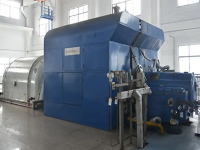
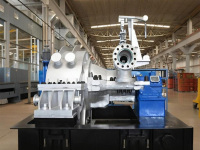
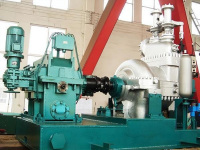
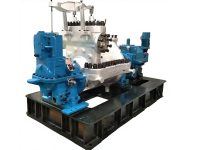
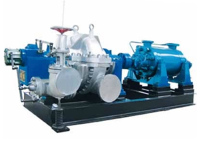
抽出背圧タービン
抽出背圧蒸気タービン
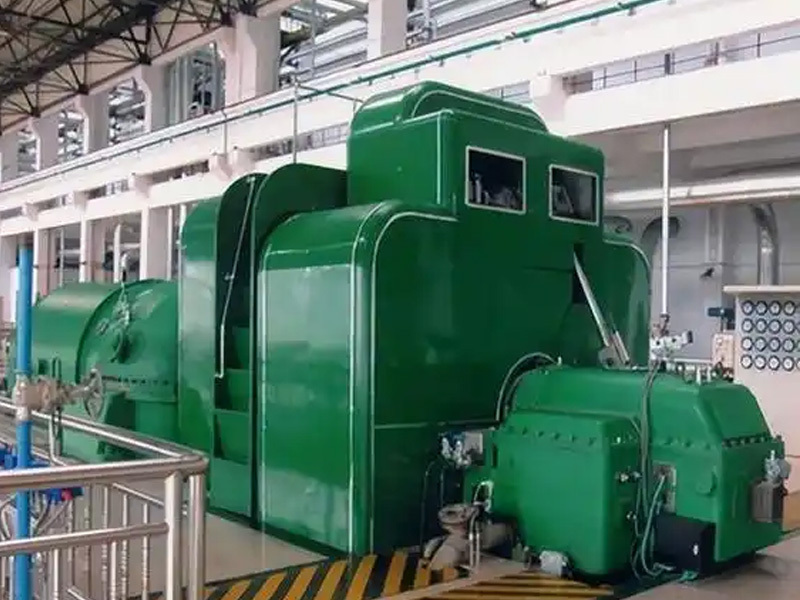
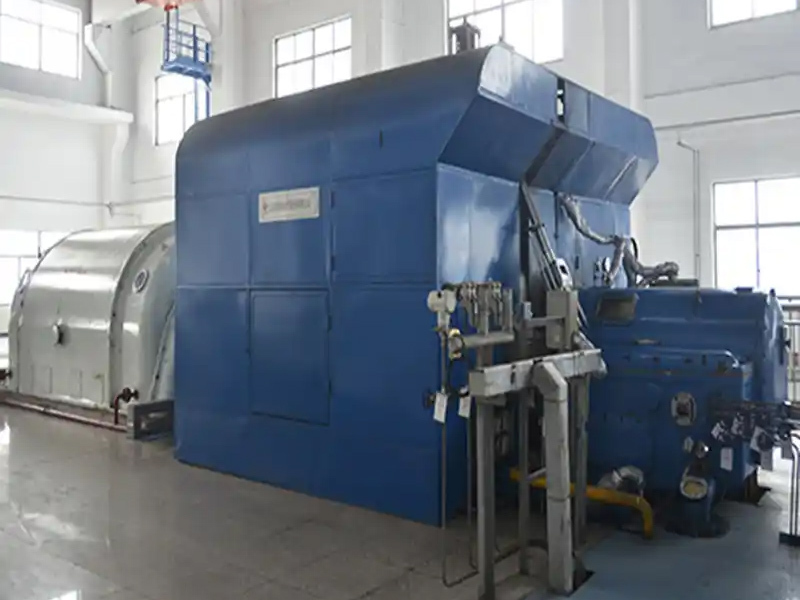
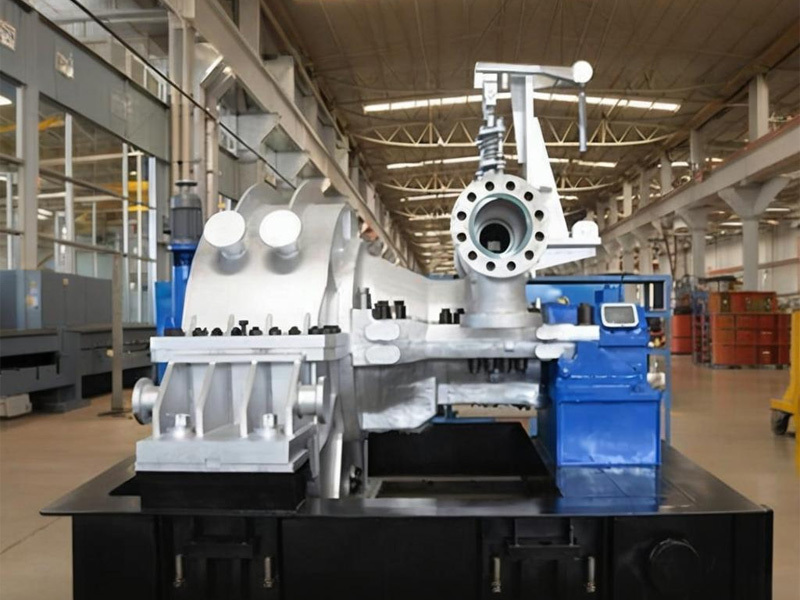
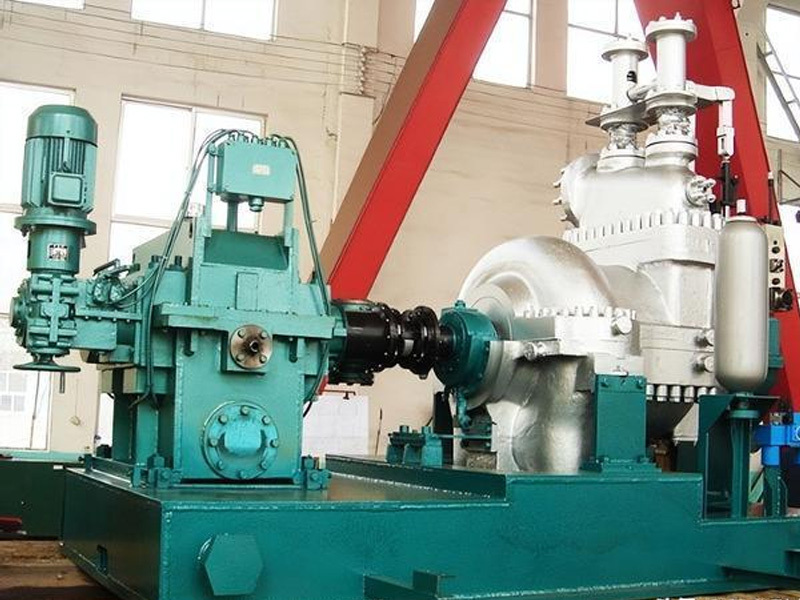
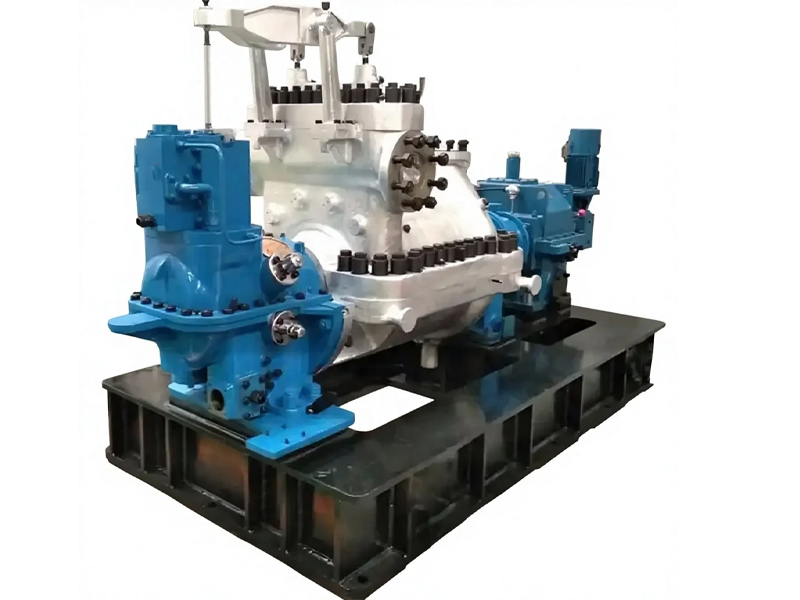
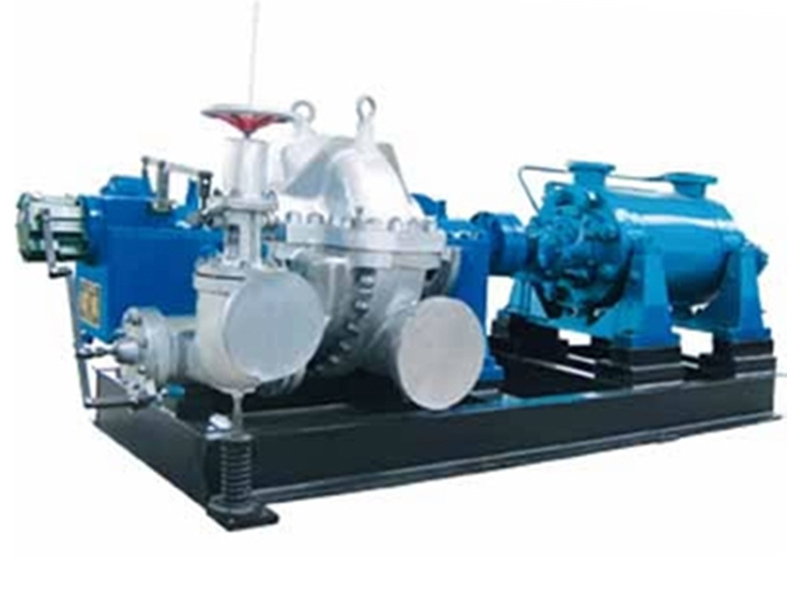
抽気背圧蒸気タービンは、抽気システムと背圧システムの両方の運転特性を兼ね備えた加熱タービンの一種です。中間段から高圧蒸気を抽気し、最終段の排気蒸気(背圧は大気圧より高い)を加熱に利用することができます。これにより、異なる圧力レベルを必要とするユーザーからの加熱需要を同時に満たすことができます。
抽気背圧蒸気タービンの利点は、高効率、安定性、そして環境への配慮です。まず、独自の動作原理により、蒸気のエネルギーを最大限に活用し、全体的な効率を向上させることができます。次に、安定した構造、長寿命、そして最小限のメンテナンス要件により、運転効率がさらに向上します。従来の蒸気タービンと比較して、抽気背圧タービンは以下の省エネ効果をもたらします。
1. 排気蒸気は蒸気抽出ポンプによって抽出された後、低圧部に戻って熱エネルギーを放出し、タービンの効率を向上させます。
2.蒸気は熱エネルギーを放出した後、ボイラーに戻り、エネルギーの無駄と環境汚染を減らすリサイクルシステムを形成します。
3.抽出背圧タービンは負荷変動に対する適応性に優れ、迅速な対応が可能で、電力システムの安定性と信頼性を確保します。
- Luoyang Hanfei Power Technology Co., Ltd
- 中国河南省
- 蒸気タービンとその部品の完全かつ安定的かつ効率的な供給能力を有しています。
- 情報
抽出 戻る-プレッシャー スチーム タービン
その 抽出 戻る-プレッシャー スチーム タービン は a コア 熱 装置 のために 組み合わせた 熱 そして 力 (CHP) シナリオ. その コア アドバンテージ 嘘 で 統合する その デュアル 機能 の 中級 スチーム 抽出 そして 戻る-プレッシャー 排気. それ できる 抽出する スチーム で a 事前に決定された プレッシャー に 供給 高い-パラメータ ユーザー その間 同時に 活用する 全て その ファイナル 排気 スチーム, どれの もっている a 戻る-プレッシャー より高い よりも 大気 プレッシャー, のために 低い-プレッシャー 加熱. これ 達成する 効率的 カスケード 利用 の スチーム エネルギー と いいえ コンデンサー 寒い ソース 損失. として a 鍵 ピース の 装置 で 産業用 生産 そして 都会的な 地区 加熱 システム, それ 正確に 適応する に マルチ-プレッシャー 学年 熱 ユーザー 要求, バランスをとる 高い エネルギー 効率 と 高い 安定性, そして オファー 重要な 応用 価値 内で 低い-炭素 エネルギー 供給 システム.
その 働く 原理 センター の上 その 上演された 利用 の スチーム エネルギー, フィーチャリング a クリア そして 制御可能 プロセス: 新鮮な スチーム 入る その 高い-プレッシャー セクション 経由 その 入口 ケーシング, 拡大する そして 実行する 仕事 を通して その 交流 の ノズル そして 動く ブレード, 運転 その ローター に 出力 機械式 エネルギー. A 部分 の その スチーム は 抽出された から その 中級 抽出 ポート に 供給 高い-プレッシャー ユーザー, と その 抽出 プレッシャー 安定した による a プレッシャー 規制当局 (偏差 ≤ ±0.05 MPa). その 残り スチーム 入る その 低い-プレッシャー セクション に 続く パフォーマンス 仕事, 最終的に 疲れる で a 戻る-プレッシャー の 0.12–0.4 MPa に 会う 空間 加熱 そして 低い-プレッシャー プロセス 要求. その 流れ パス は 分割された の中へ 高い- そして 低い-プレッシャー セクション. その スチーム 流れ を通して その 低い-プレッシャー セクション できる なれ 規制された 経由 コントロール バルブ, と 一つの 調整 範囲 の 30%–100% の その 評価 流れ, バランスをとる エネルギー 供給 安定性 そして 経済的な 効率.
その ユニット's 適合性 そして パフォーマンス は 決定した による その コア デザイン パラメータ, どれの 必要とする 鍵 注意 その間 選択:
1. 抽出 そして 戻る-プレッシャー パラメータ: 抽出 プレッシャー: 0.3–1.5 MPa; 戻る-プレッシャー: 0.12–0.4 MPa (その上 大気 プレッシャー). これら できる なれ 正確に カスタマイズ ベース の上 熱 ユーザー 要件.
2. 評価 容量: 測距 から いくつかの 百 キロワット に 10 の メガワット, 適応力のある に 違う 規模 シナリオ そのような として 産業用 捕虜 力 植物 そして 地域 熱 力 植物.
3. サーマル 効率: と いいえ 寒い ソース 損失, その 全体 熱 効率 は ≥80%. その 経済的な パフォーマンス は 大幅 優れた に 従来の 凝縮する タービン 下 安定した 熱 負荷 条件.
4. 規制 精度: 正確な コントロール の 抽出 プレッシャー そして 流れ 保証する パラメータ 適合性 そして 適応 に マイナー 負荷 変動.
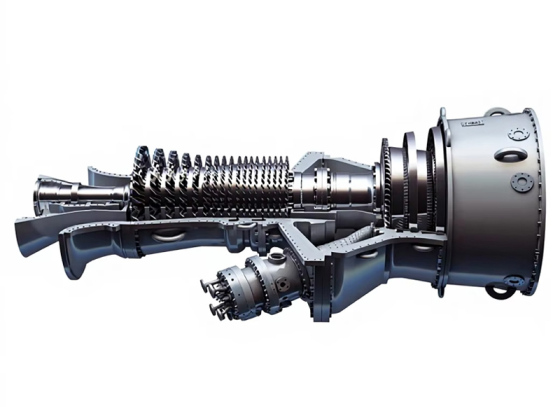
構造設計は二重エネルギー供給要件に準拠しており、安定性と効率性を重視しています。主要コンポーネントには、入口ケーシング、ノズルアセンブリ、シリンダー、ローター、抽出ポート、制御機構が含まれます。抽出ポートには、パラメータ変動を防ぐためのシーリング装置が装備されています。一体型の鍛造ローターは疲労強度を高めています。高圧セクションと低圧セクションのブレードは、必要に応じてカスタマイズされ、テノン接続されたルートにより耐荷重性が向上しています。二重調整装置とインターロック保護(過回転、過大背圧)が搭載されており、異常時には迅速なシャットダウンによりリスクを軽減できます。シリンダージョイントとシャフトエンドにはラビリンスシールが使用され、抽出ポートには追加のシーリングリングが追加されることで、蒸気漏れとエネルギー損失を最小限に抑えます。
運用特性には、大きな利点と特定の制限が組み合わされています。
1. 主な利点:優れたエネルギー効率。排気蒸気はすべて暖房に利用され、熱電併給により卓越した総合効率を実現します。シンプルな構造で故障箇所が少なく、年間8,000時間以上の稼働と運用コストの抑制が可能です。分散型エネルギー供給をコージェネレーションに置き換えることで、化石燃料の消費量と汚染物質の排出量を削減し、低炭素化の要件を満たします。
2. 運用上の制限:「発電量は熱需要に従う」という原則に基づきます。つまり、電気負荷は加熱蒸気の総流量と強く連動しており、独立して制御することはできません。電力需給のバランスをとるためには、系統連系または他のユニットとの並列運転が必要です。経済性は設計点において最適ですが、設計外の運転では効率が低下するため、負荷変動が激しいシナリオには適していません。
その適用シナリオは、安定した熱負荷と多様な圧力レベルの加熱需要がある分野に集中しています。化学、製紙、鉄鋼などの産業用自家発電所は、電力、高圧蒸気、低圧蒸気を同時に供給することで、全体的なエネルギー消費を削減します。都市地域暖房用の地域火力発電所は、冬季には補助的な発電による暖房を優先し、暖房のない季節には産業用熱需要に対応することで、年間を通して安定した運転を実現します。分散型エネルギーシステムにおいては、統合された発電+暖房システムの構築を支援し、工業団地や大規模コミュニティのエネルギー供給の自立性と柔軟性を高めます。
同様のタービンタイプと比較すると、主な違いは顕著です。
1. 抽気凝縮式蒸気タービンとの比較:背圧型は排気圧力が大気圧以上で、排気はすべて加熱に利用され、冷熱損失はありません。一方、復水型は排気圧力が大気圧以下で、凝縮器に排出され、そこで凝縮されます。熱電比は調整可能ですが、エネルギー効率は低くなります。
2. 純背圧型蒸気タービンと比較:純背圧型は加熱用の単一圧力グレード蒸気しか供給できないため、適用範囲が限られています。一方、抽気型は中間抽気機能を追加することで、高圧蒸気と低圧蒸気の同時供給を可能にし、より幅広い需要に対応します。
要約すると、抽気背圧蒸気タービンは、熱負荷が安定したシナリオに適した高効率コージェネレーション(CHP)ユニットです。電力負荷の調整範囲は限られていますが、適切なシステム統合と系統接続により、省エネ、環境配慮、信頼性といった特性を最大限に活用できます。産業生産と民生用エネルギー供給に不可欠な役割を果たし、低炭素エネルギーシステムにおいて重要な位置を占めています。